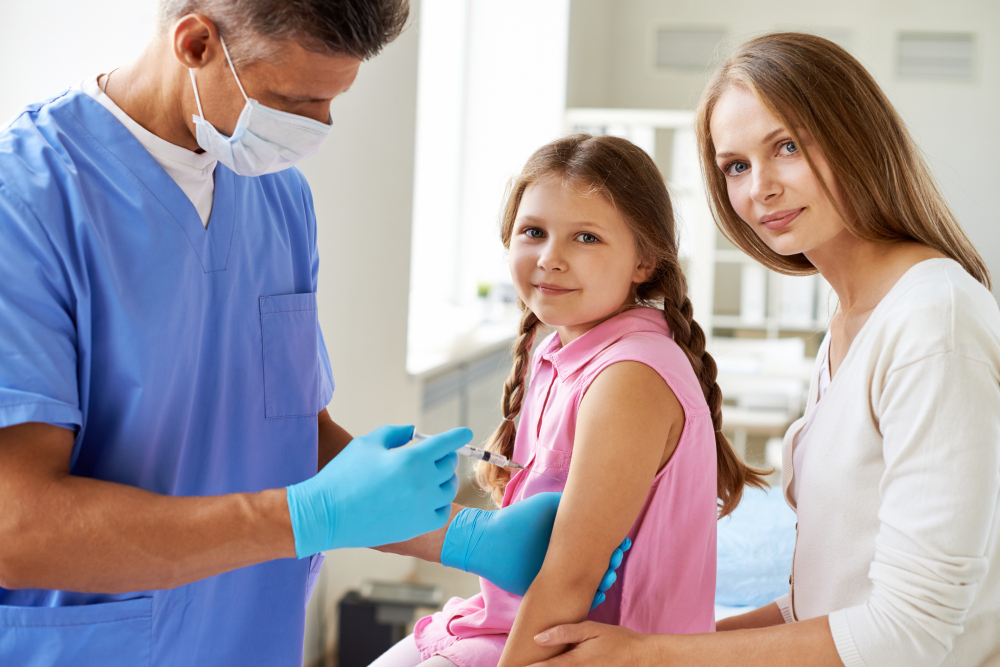
Introduction: Why Vaccinations in Children Matter
Vaccinations in children protect against many serious diseases. These shots help your child build strong defenses early in life. In fact, vaccines have saved millions of lives around the world. Because of them, many illnesses are now rare or gone. For example, polio and measles are much less common today. The Centers for Disease Control and Prevention (CDC) and World Health Organization (WHO) both recommend routine childhood vaccines. As a result, your child stays healthy and helps protect others too.
Common Childhood Vaccines and Recommended Schedule
Children need several vaccines during their early years. Each vaccine protects against a specific disease. The childhood vaccination schedule tells you when your child should get each shot. In the United States, doctors follow the CDC’s recommended schedule. Here are some common vaccines and when they are usually given:
Always check with your pediatrician for the latest childhood vaccination schedule. Some children may need extra shots or a different timing.
How Vaccines Work
Vaccines teach the body how to fight germs. When your child gets a vaccine, it contains a tiny, safe part of the germ. Because of this, the immune system learns to recognize and attack the real germ later. As a result, your child is less likely to get sick. Vaccines do not cause the disease they protect against. Instead, they help your child build strong protection without getting sick first.
Safety and Side Effects of Vaccines
Vaccine safety for kids is a top priority. Before approval, vaccines go through many tests. After approval, experts keep checking for any problems. Most side effects are mild and go away quickly. For example, your child may have:
Serious side effects are very rare. However, if your child has a high fever or allergic reaction, call your doctor right away. The CDC and WHO both say vaccines are safe for most children.
Myths vs. Facts About Childhood Vaccinations
Many myths about pediatric immunization can cause worry. Let’s look at some common myths and the facts:
Always talk to your pediatrician if you have questions about vaccine safety for kids.
Guidance for Parents: Preparing for Vaccination Visits and Aftercare
Getting ready for your child’s vaccine visit can help things go smoothly. Here are some tips:
After the shot, watch for mild side effects. You can use a cool cloth on the sore spot. Give extra cuddles and fluids. If your child has a high fever or seems very unwell, call your doctor.
Prevention and Community Benefits: Herd Immunity
Vaccinations in children do more than protect your child. When many people get vaccinated, diseases cannot spread easily. This is called herd immunity. Because of herd immunity, even babies and people who cannot get vaccines stay safer. For example, if most children get the measles vaccine, outbreaks are less likely. As a result, the whole community stays healthier.
Conclusion: Talk to Your Pediatrician
Vaccinations in children are safe, effective, and protect against many serious diseases. They also help keep your community healthy. For the best advice, consult your pediatrician for personalized vaccination guidance. Your doctor can answer your questions and help you follow the right schedule for your child.