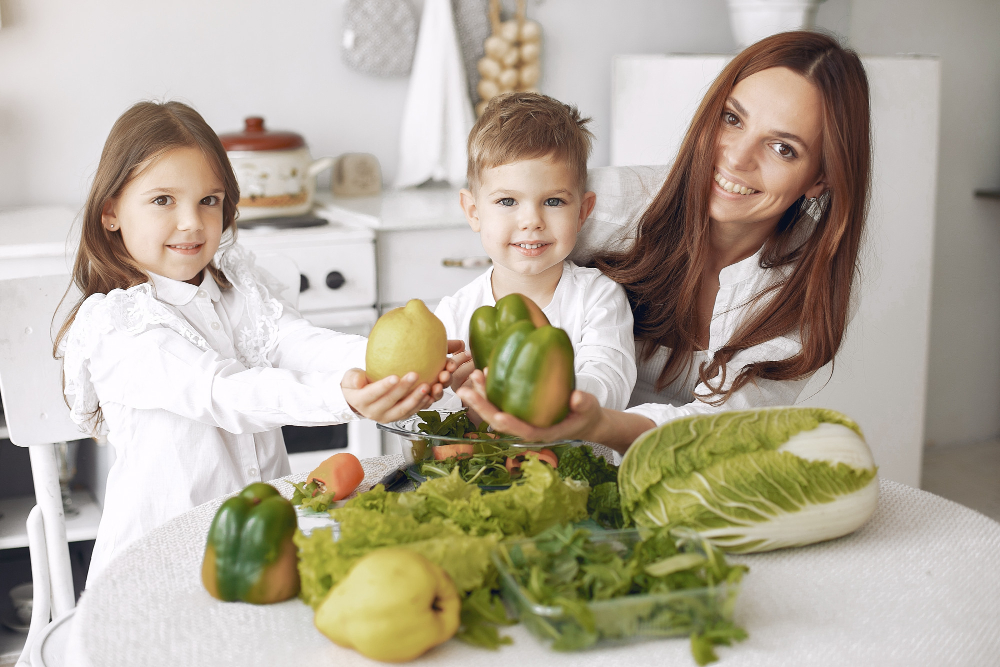
Why a Balanced Diet Matters for Growing Children
A balanced diet for growing children is key to healthy growth and development. Children need the right mix of foods to build strong bones, sharp minds, and healthy bodies. When kids eat well, they have more energy to play, learn, and grow. In fact, healthy eating for children can help prevent illness and support their immune system. According to the World Health Organization (WHO), good nutrition in childhood sets the stage for lifelong health.
Essential Nutrients for Child Growth
Children need a variety of nutrients every day. Each nutrient plays a special role in their growth. Let’s look at the most important ones:
Age-Appropriate Portion Sizes and Daily Needs
Children’s needs change as they grow. But, serving the right portion sizes is important. For example, a preschooler needs smaller portions than a teenager. Here are some simple tips:
For exact daily requirements, check guidelines from the CDC or your local health authority. Every child is unique, so needs may vary.
Meal Ideas and Snack Suggestions for Growing Children
Planning meals can be simple. Here are some balanced meal ideas for kids:
For variety, try local fruits and vegetables. In many areas, seasonal produce is both fresh and affordable.
Tips for Encouraging Healthy Eating Habits
Building healthy eating habits takes time. However, small changes can make a big difference. Try these tips:
Remember, patience is key. Children may need to try a new food several times before they like it.
Common Challenges and Practical Solutions
Many parents face challenges with picky eaters or busy schedules. But there are ways to help:
With time and creativity, healthy eating can become a family habit.
Preventing Nutritional Deficiencies
Sometimes, children may not get enough nutrients. For example, iron or vitamin D deficiencies are common. To prevent this, offer a wide range of foods. If your child follows a special diet, talk to a doctor about supplements. Regular check-ups can help spot any problems early. The CDC recommends routine screenings for children at risk.
When to Consult a Pediatrician or Nutritionist
Although most children thrive on a balanced diet, some may need extra help. Consult a pediatrician or registered dietitian if you notice:
Early advice can help your child stay healthy and strong.
Conclusion
In summary, a balanced diet for growing children supports healthy growth and lifelong wellness. By offering a variety of foods, setting good habits, and seeking help when needed, you can help your child thrive. For personalized nutrition advice, consult a pediatrician or registered dietitian.