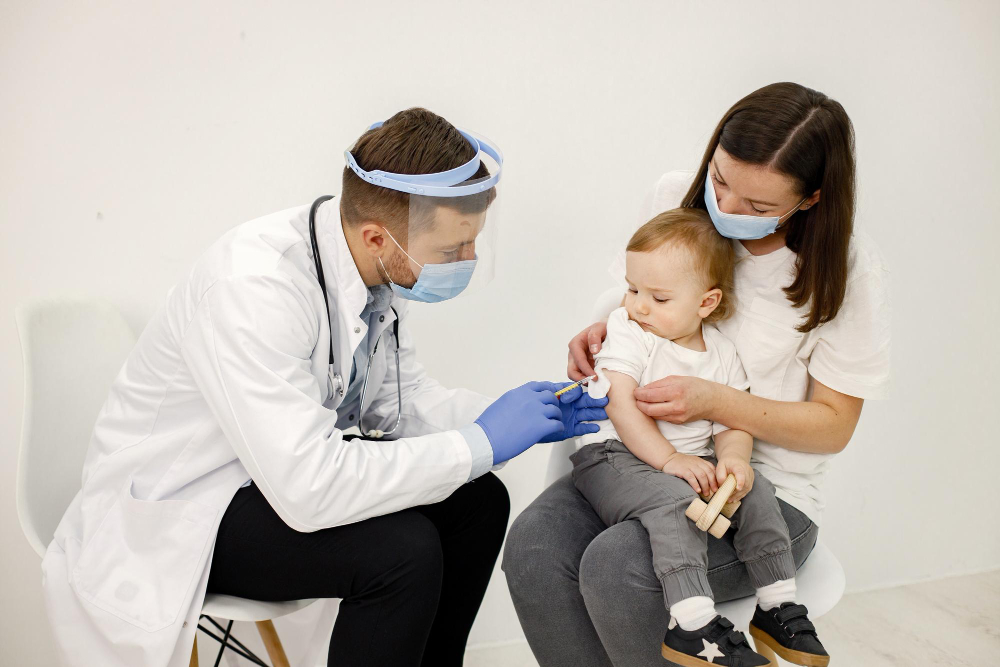
Introduction
Childhood immunisations are vaccines given to children to protect them from serious diseases. These vaccines help your child’s body fight off infections. Because of immunisations, many dangerous illnesses are now rare. For example, diseases like measles and polio are much less common. In the United States, following the recommended immunisation schedule keeps kids healthy and safe. Vaccines for kids are an important part of growing up strong.
Key Vaccines for Children
Children need different vaccines at different ages. Each vaccine protects against a specific disease. Below are the main vaccines your child may need:
Some children may need extra vaccines based on health or travel needs. Your doctor can guide you.
How Vaccines Work
Vaccines teach the body how to fight germs. When your child gets a vaccine, their body learns to recognize and attack the disease. As a result, if your child is exposed to the real germ later, their body can fight it off quickly. This helps prevent illness. Because vaccines use only a tiny, safe part of the germ, they do not cause the disease.
Vaccine Schedule
Following the immunisation schedule is important. The Centers for Disease Control and Prevention (CDC) and the World Health Organization (WHO) recommend when to get each vaccine. Usually, children get vaccines at birth, 2 months, 4 months, 6 months, 12-15 months, 4-6 years, and 11-12 years. In addition, some vaccines are given every year, like the flu shot. Sticking to the schedule gives the best protection.
Safety and Side Effects
Many parents worry about child vaccine safety. However, vaccines are tested for safety before they are approved. Most side effects are mild and go away quickly. For example, your child may have a sore arm, mild fever, or fussiness. Serious side effects are very rare. If you notice anything unusual, contact your doctor right away. Overall, the benefits of vaccines far outweigh the risks.
Myths vs. Facts
There are many myths about childhood immunisations. Let’s look at some common ones:
Because of these facts, experts recommend following the full immunisation schedule.
Tips for Parents
Keeping up with vaccines can feel overwhelming. However, these tips can help:
Above all, stay informed and trust your healthcare provider.
Prevention and Community Protection
When many people get vaccinated, diseases cannot spread easily. This is called herd immunity. Because of herd immunity, even those who cannot get vaccines, like newborns or some sick children, are protected. So, by vaccinating your child, you help protect your whole community. This is why childhood immunisations are so important for everyone.
For the best advice, consult your pediatrician for personalized immunisation guidance.