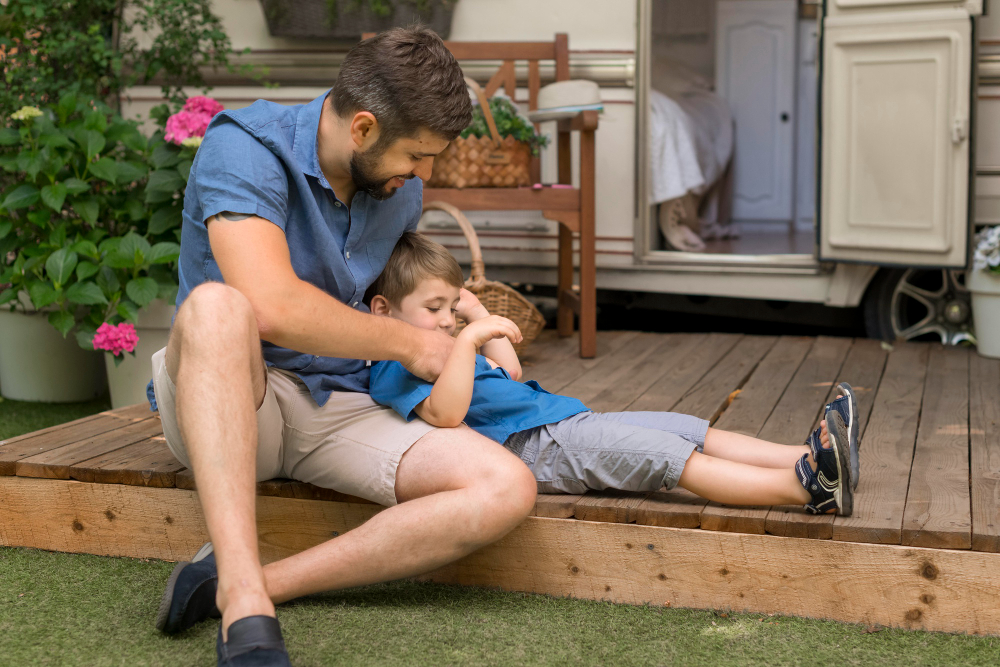
Introduction: Why Child Safety Matters
Child safety means protecting children from harm at home and outdoors. Every year, many children get hurt in accidents that could be prevented. Because children are curious and active, they face many risks. However, with the right steps, you can lower these risks. Keeping your child safe helps them grow and learn with confidence. In this blog, you will find simple tips for preventing child accidents and creating a safer environment.
Common Causes of Accidents at Home
Many accidents happen at home, where children spend most of their time. Knowing the main dangers can help you prevent them. For example, falls are the most common cause of injury in young children. But there are other risks too.
Because these dangers are common, it is important to stay alert and take action.
Common Outdoor Accident Risks
When children play outside, they face new risks. For instance, playgrounds and parks are fun, but they can also be unsafe if not watched closely. Here are some outdoor dangers to watch for:
Because outdoor play is important, you should know how to keep it safe.
Prevention Strategies at Home
Preventing child accidents at home starts with simple changes. For example, childproofing each room can make a big difference. Here are some easy tips for home safety for children:
Additionally, always supervise children, especially in risky areas. Regularly check your home for new hazards as your child grows.
Outdoor Safety Tips
Outdoor child safety tips help prevent injuries while letting kids enjoy fresh air. Here are some key ways to protect your child outdoors:
Because outdoor risks change with the season, review safety rules often.
Emergency Preparedness
Even with the best prevention, accidents can still happen. Therefore, being prepared is key. Here are some first aid basics and emergency tips:
Because quick action can save lives, review these steps with all caregivers.
Lifestyle and Parental Guidance
Creating safe habits is just as important as childproofing. For example, talk to your child about safety rules every day. Here are some ways to build safe habits:
Because children learn by watching adults, your example is powerful.
Conclusion: Take Action for Child Safety
In summary, preventing child accidents at home and outdoors takes planning and care. By following these child safety tips, you can lower risks and help your child stay safe. Remember, regular supervision and teaching safe habits are key. For personalized advice, consult your pediatrician about the best ways to protect your child.